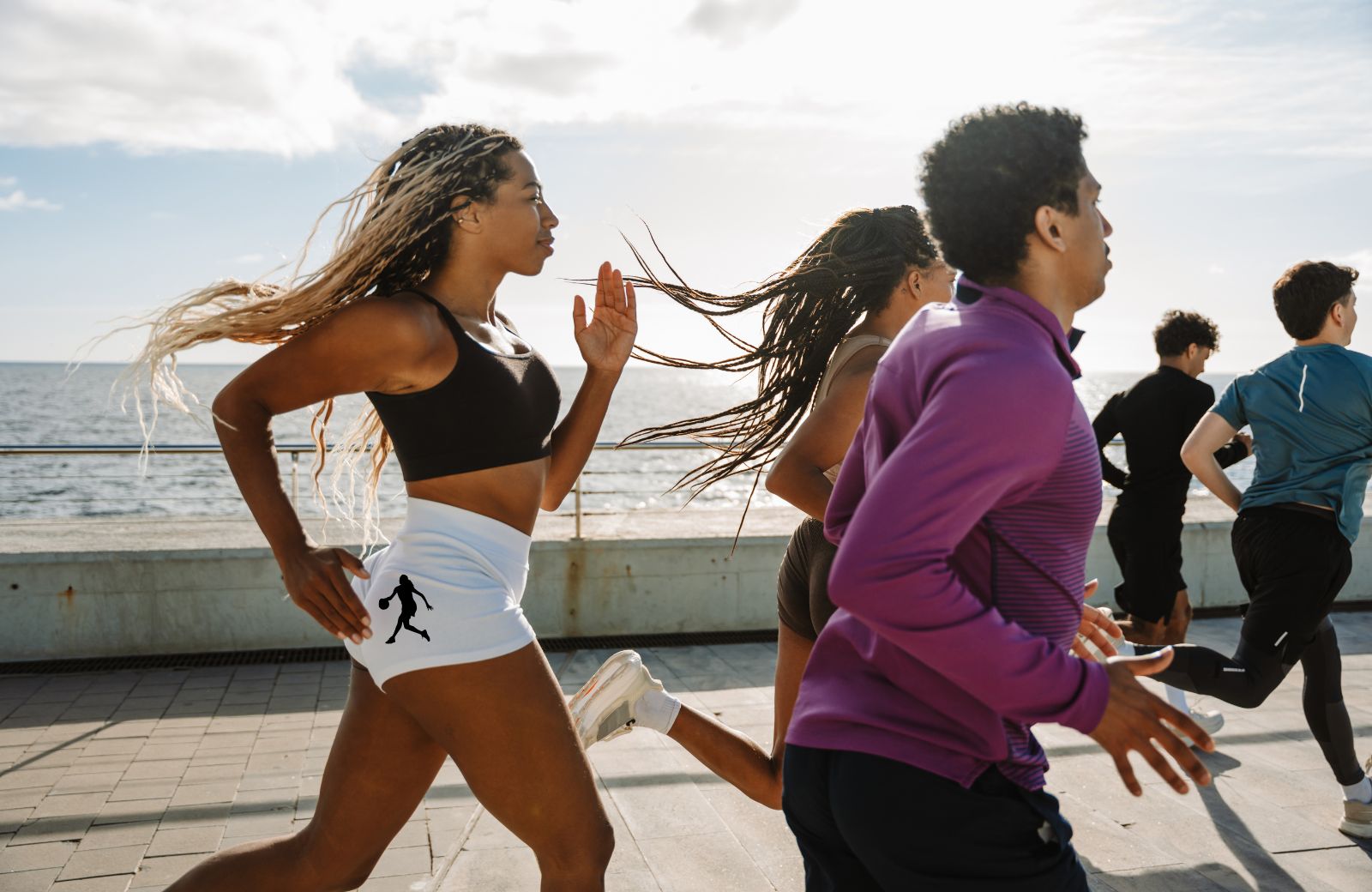
Speed in sport is not only about muscles firing quickly. A sprinter needs to react to the gun, a goalkeeper must read the striker’s body shape, and a cyclist has to make fast decisions while tired. Mental speed and focus are trained skills, not lucky traits.
Athletes can use online cognitive tests to measure reaction time, attention, memory, and visual processing in a simple way. These tools do not replace practice on the field, court, track, or pool, but they can help athletes notice patterns in how their minds perform under different conditions.
Quick Summary
Mental speed comes from sharper perception, faster decisions, better attention control, and smart recovery. Athletes train these qualities through sport-specific drills, cognitive challenges, visualization, mindfulness, sleep, and regular performance tracking.
Mental Speed Starts Before Movement
Fast athletes are not only quick after they move. They are often quicker before movement begins. They notice small cues earlier, filter distractions faster, and choose the right response with less hesitation. In basketball, that might mean reading a defender’s hips. In swimming, it might mean staying calm enough to hold technique during the final meters. In football, it might mean seeing passing options before receiving the ball.
This is why mental speed should not be treated as a separate add-on. It sits inside technical practice. A tennis player who reacts to random feeds is not just training footwork. They are also training visual attention, anticipation, and decision timing. The body improves because the brain is learning what matters and what can be ignored.
The Main Mental Skills Athletes Train
Focus is not one single skill. It is a group of abilities that work together during pressure, fatigue, and uncertainty. Some athletes need fast reactions. Others need patience and long concentration. Most sports require both at different moments.
- Reaction time: how quickly an athlete responds to a signal or situation.
- Selective attention: the ability to focus on useful cues while ignoring noise.
- Working memory: holding tactics, positioning, and instructions in mind during action.
- Visual processing: reading movement, space, speed, and body language.
- Decision-making: choosing the best action quickly under changing conditions.
These skills matter most when they are trained in realistic settings. A reaction drill on a screen can be useful for measurement, but a boxer also needs to read shoulders, rhythm, distance, and feints. A runner may react well in testing, yet still need repeated start practice to transfer that speed into competition.
Building Focus Through Structured Practice
Good mental training often looks simple from the outside. The difference is in how the drill is designed. Coaches can add uncertainty, time pressure, or decision rules to make practice more mentally demanding. That forces the athlete to think, react, and adjust instead of repeating movements on autopilot.
A strong training session might include a warm-up, skill work, decision drills, and a short reflection after practice. This mirrors the principles found in mental training techniques, where athletes build confidence and control through repeated, intentional habits.
A Practical Mental-Speed Training Sequence
- Start with clean technique.
The athlete first performs the movement correctly without heavy pressure. Poor technique performed quickly still creates poor habits. - Add a simple cue.
The coach introduces a visual, sound, or movement cue. The athlete reacts only when the correct signal appears. - Increase decision load.
Different cues require different responses. This trains the brain to identify, choose, and act. - Add fatigue carefully.
Later rounds can include tiredness, but the drill should not become sloppy. The goal is fast thinking with controlled execution. - Review what happened.
Athletes should note whether mistakes came from late perception, poor choice, rushed movement, or loss of focus.
Recovery Makes the Brain Faster
Mental speed drops when recovery is poor. Lack of sleep, dehydration, heavy training load, and stress can all slow attention and decision-making. Athletes often notice this during hard training blocks. They feel physically present but mentally dull. Passes are late, timing is off, and small mistakes appear more often.
Sleep is especially powerful because it supports memory, emotional control, and learning. Training creates the stimulus, but recovery helps the brain organize and retain what was practiced. That is why focus training should sit alongside rest planning, not compete with it.
| Training Factor | Mental Benefit | Simple Example |
|---|---|---|
| Sleep | Sharper attention and learning | Consistent bedtime before key sessions |
| Reaction drills | Faster response to cues | Random start signals or color calls |
| Mindfulness | Better focus under pressure | Five minutes of breathing after practice |
| Video review | Improved anticipation | Studying opponent movement patterns |
Attention Can Be Trained Under Pressure
Many athletes lose focus because they focus on too much. They think about the score, the crowd, the last mistake, the coach, the weather, and the next outcome all at once. Attention training helps narrow the target. The athlete learns what to focus on now, then shifts when the situation changes.
For example, a golfer may use a pre-shot routine to quiet unnecessary thoughts. A handball player may focus on the defender’s body angle instead of the noise from the bench. A runner may use rhythm cues to stay calm during a painful final lap. These habits are small, but they help protect decision-making when pressure rises.
Mindfulness, breathing routines, and cue words can support this process. The aim is not to empty the mind. The aim is to return attention to the task faster after distraction. That skill becomes valuable in every sport where mistakes happen quickly.
Reaction Time Is Useful, But Context Matters
Reaction time is easy to admire because it feels measurable and exciting. A faster response can help a goalkeeper, sprinter, fighter, or racket-sport athlete. Still, raw reaction speed is only one part of performance. An athlete also needs to know what they are reacting to.
This is why reaction time drills should include sport-specific cues. A soccer player benefits from reading body shape and ball position. A martial artist benefits from recognizing shoulder tension and weight shifts. A volleyball player benefits from reading the setter’s hands and approach angle.
Testing can show whether an athlete is mentally fresh or sluggish, but practice must connect that information to competition. A fast click on a screen does not automatically create a faster tackle, return, sprint start, or save. Transfer happens when cognitive work is matched with real movement patterns.
Visualization Builds Faster Choices
Visualization is often described as confidence training, but it also supports speed. When athletes mentally rehearse situations, they create a clearer response plan. That can reduce hesitation when a similar moment appears in competition.
A basketball player might picture receiving the ball under pressure, reading the help defender, and making the pass. A cyclist might rehearse how to respond when another rider attacks on a climb. A swimmer might mentally practice staying smooth after a poor turn. The value comes from detail. The athlete should imagine the sights, timing, tension, breathing, and decision point.
Good visualization is not fantasy. It includes problems. Athletes should rehearse mistakes, fatigue, noise, and pressure. This prepares the mind to respond instead of panic.
Tracking Mental Performance Without Overthinking It
Measurement helps when it guides better training choices. It becomes harmful when athletes obsess over every score. Mental performance changes daily. A poor result after bad sleep does not mean an athlete is failing. It may simply confirm that recovery needs attention.
A simple weekly log can be enough. Athletes can record sleep quality, mood, training load, reaction scores, focus ratings, and notes from practice. Over time, patterns appear. Maybe reaction time drops after late-night screen use. Maybe focus improves after lighter sessions. Maybe decision errors increase during exam periods or travel weeks.
For a broader foundation, sports psychology explains how mental processes influence athletic performance, learning, motivation, and competition behavior. The key is to use measurement as feedback, not judgment.
Training the Fast Mind Behind the Fast Body
Mental speed and focus are not separate from athletic ability. They shape how quickly athletes see, decide, and act. A strong body still needs a clear mind, especially when competition becomes fast, noisy, and unpredictable.
The best approach is balanced. Use cognitive tests to monitor basic mental skills. Use sport-specific drills to train real decisions. Use recovery to keep the brain sharp. Use routines, visualization, and reflection to stay focused under pressure. Over time, athletes become quicker not only because they move faster, but because they understand the game sooner.